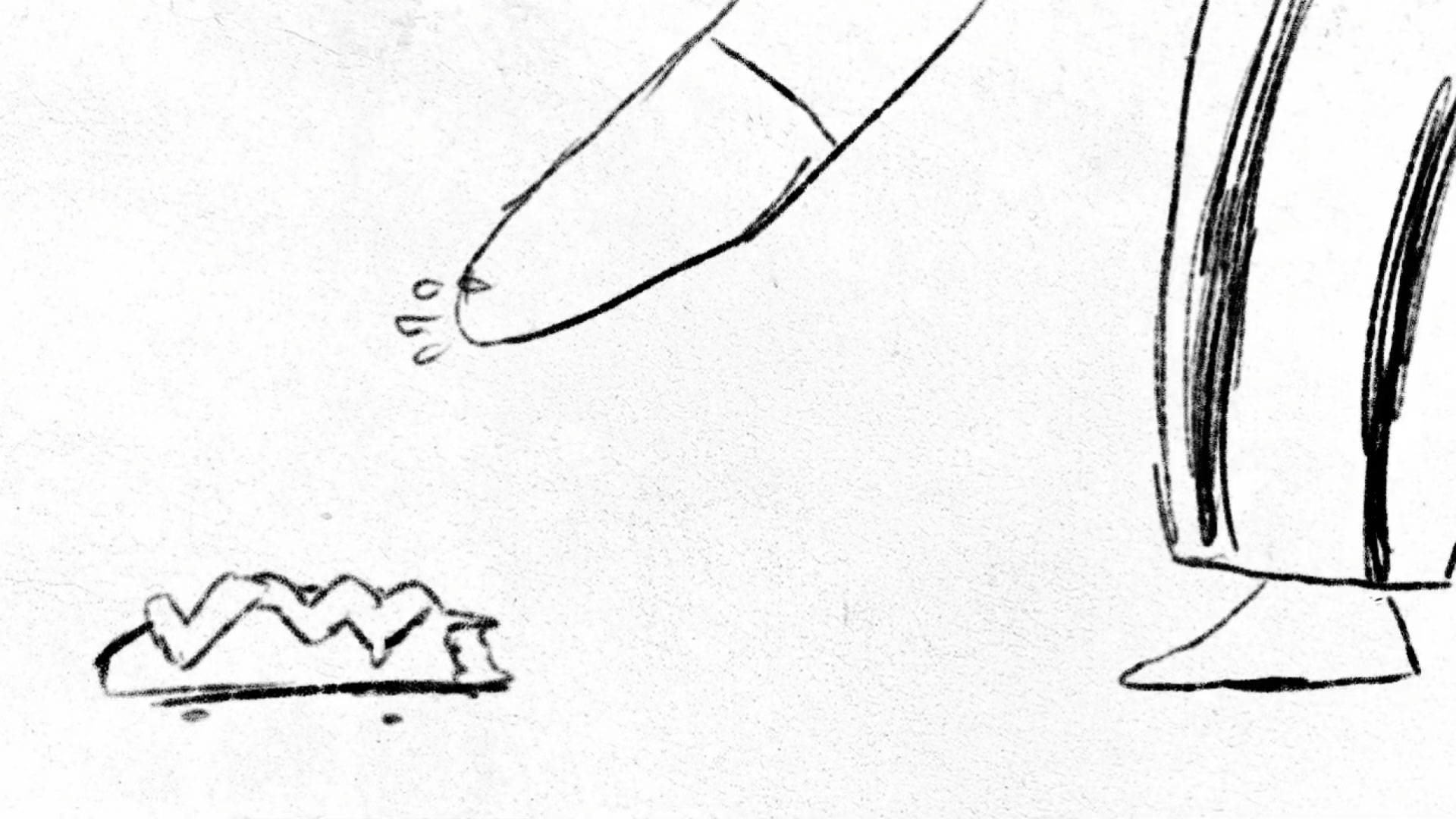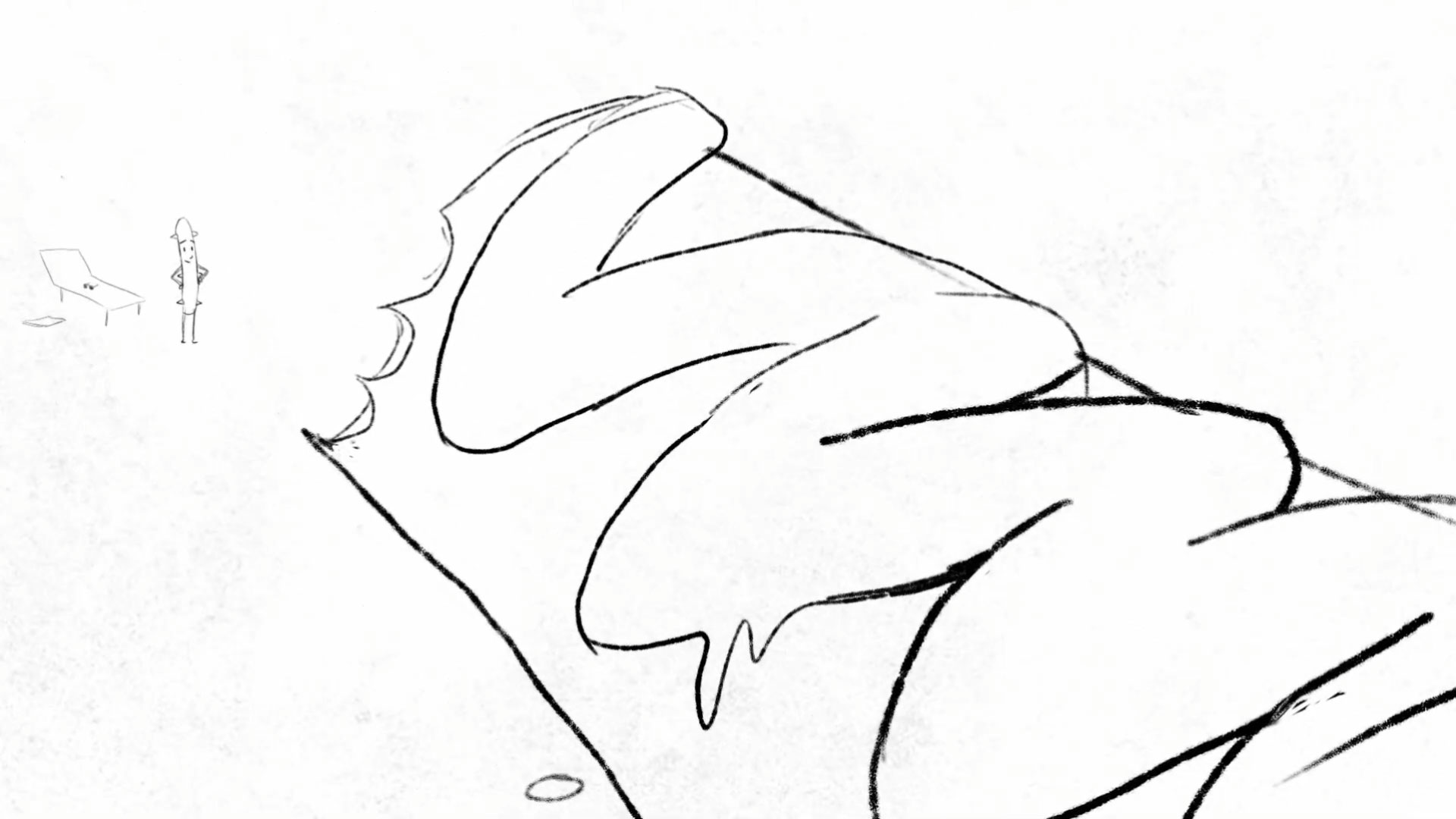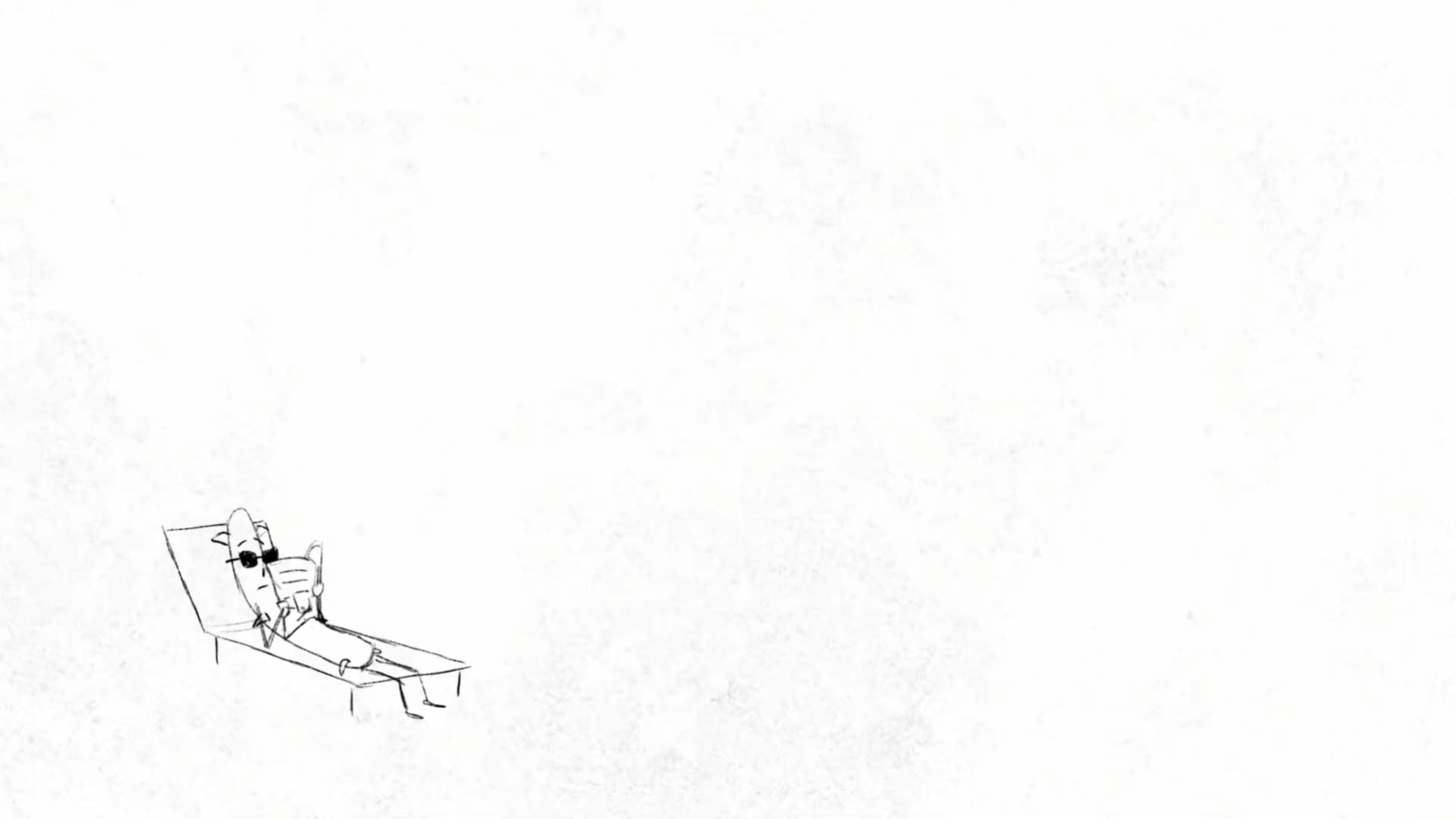
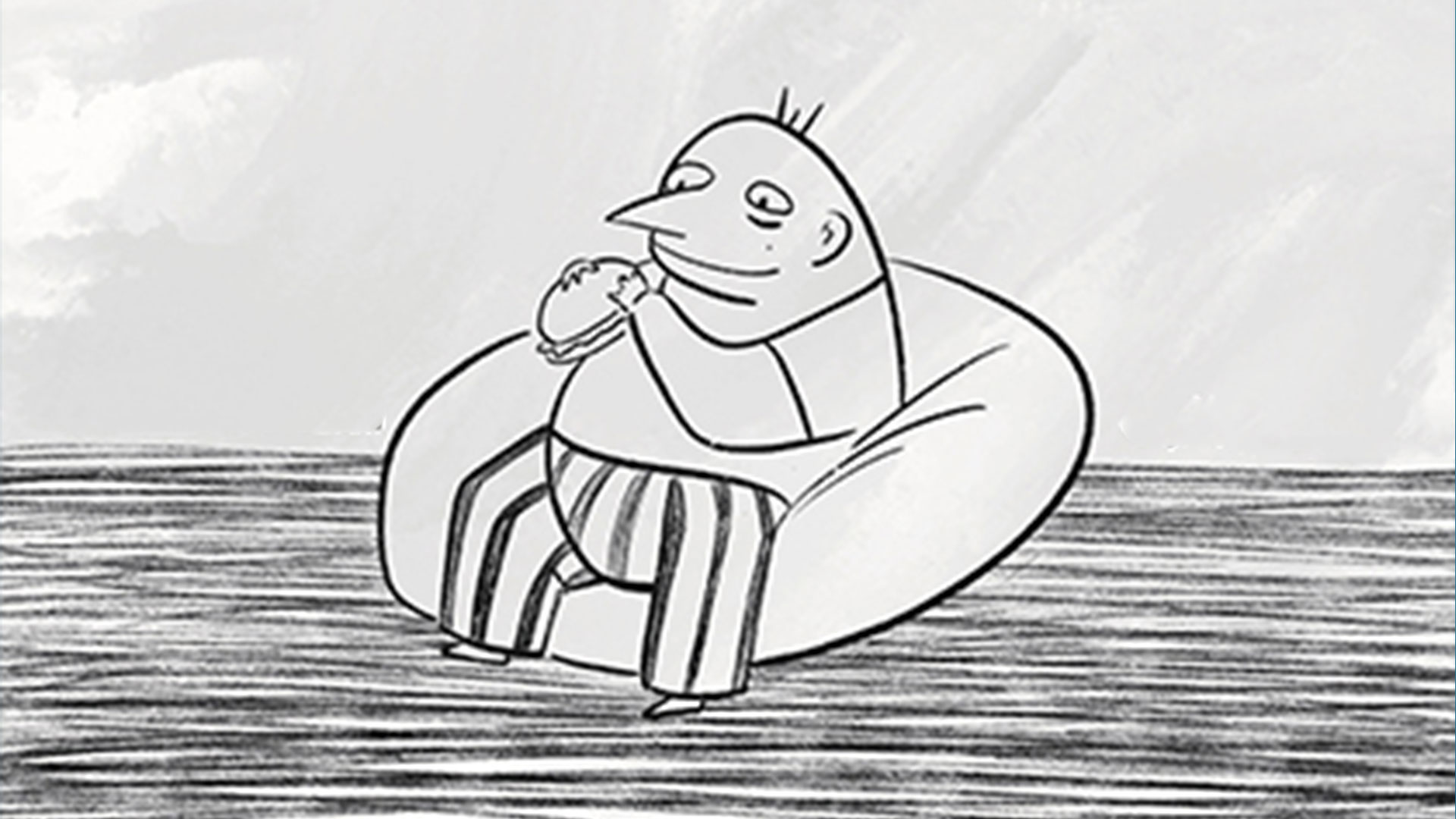
Among the works presented at the Poyan Festival, Three Seconds, directed by Javad Azari, offers a humorous and satirical take on everyday human behavior. The film’s central idea is built around a familiar superstition or unwritten universal rule: the “three-second rule”—the belief that if food is picked up from the floor within three seconds, bacteria do not have enough time to contaminate it. The filmmaker transforms this simple belief into a tense, microscopic thriller.
Narrative and Direction in Three Seconds
From a narrative and directorial perspective, the filmmaker turns a simple everyday situation into an all-out battlefield. The film’s suspense emerges precisely between the moment the food falls and the end of the countdown. During this brief interval, the audience is introduced to the perspective of the microbes and bacteria—not as lifeless organisms, but as an opportunistic army lying in wait, ready to attack the moment the clock crosses the permitted threshold. This shift in perspective is one of the film’s most effective narrative choices.
Visual Style and Animation Technique
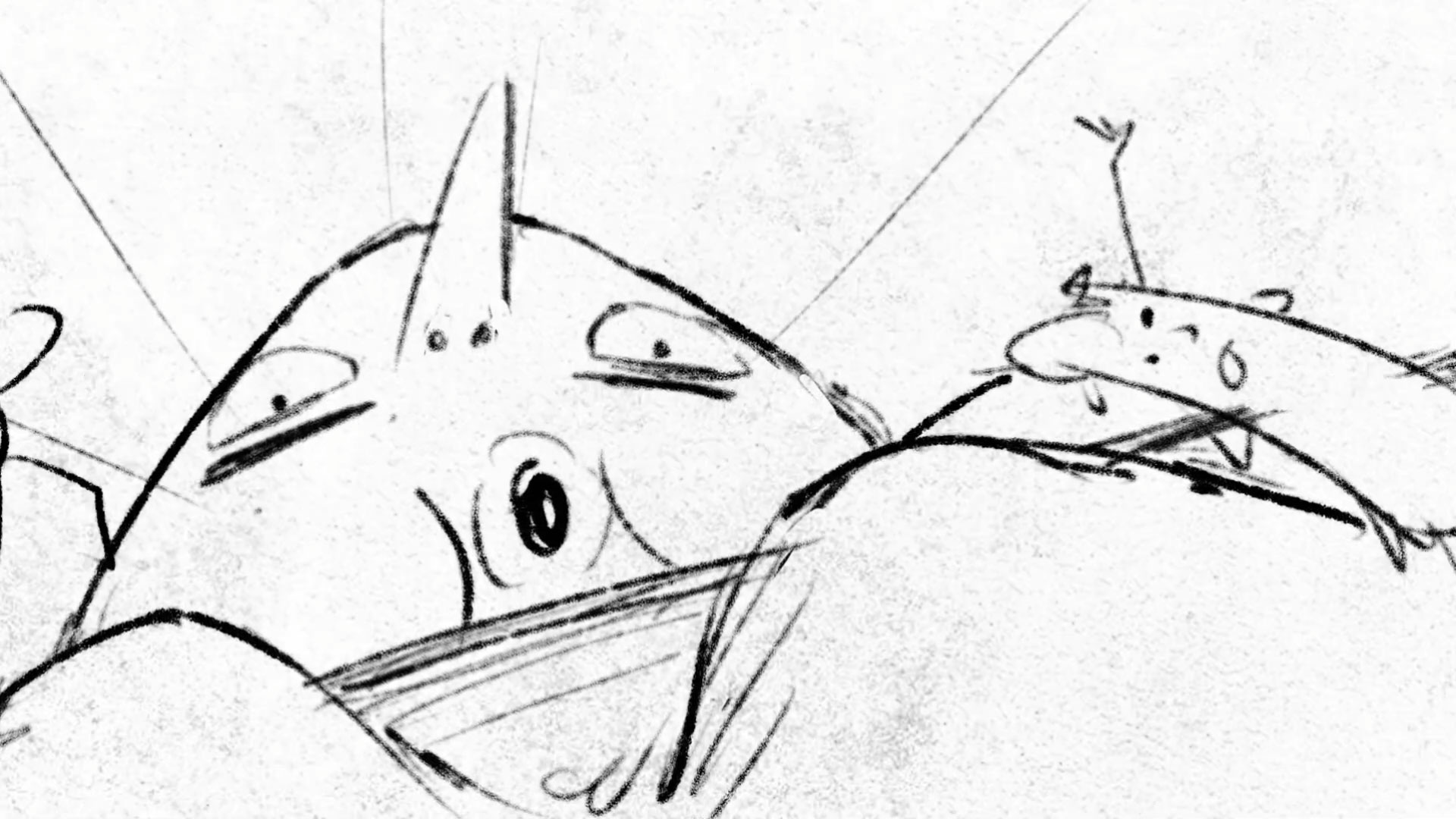
In terms of visual style and technique, the film’s raw and unapologetic aesthetic, combined with energetic, freely drawn pencil lines, is a striking choice for its subject matter. The trembling lines and “dirty,” charcoal-like textures effectively evoke the contamination and chaos of the microbial world. There are no polished or perfectly controlled lines here; everything is constantly shaking, transforming, and morphing. Both the protagonist and the microbes repeatedly change form, while the exaggerated use of squash and stretch gives the animation a fluid, almost gelatinous quality.
Sound Design and Rhythm in Three Seconds
Sound design and rhythm also play a crucial role in creating the film’s darkly comic atmosphere. The ticking of the clock, heard over the opening black screen and throughout the film, establishes the rhythm of a ticking time bomb. Exaggerated sound effects, including swallowing sounds and the movements of the microbes, create a grotesque atmosphere that keeps the audience suspended between laughter and disgust.
Conclusion
Ultimately, Three Seconds demonstrates how animated shorts can challenge even the simplest popular beliefs and, through a graphic and radical visual language, offer a fresh perspective on the invisible battles taking place on the floor beneath our feet. The film adds a touch of intelligent humor and raw visual energy to the festival’s lineup, reminding us that 2D animation remains a powerful medium for expressing ideas with speed, clarity, and impact.