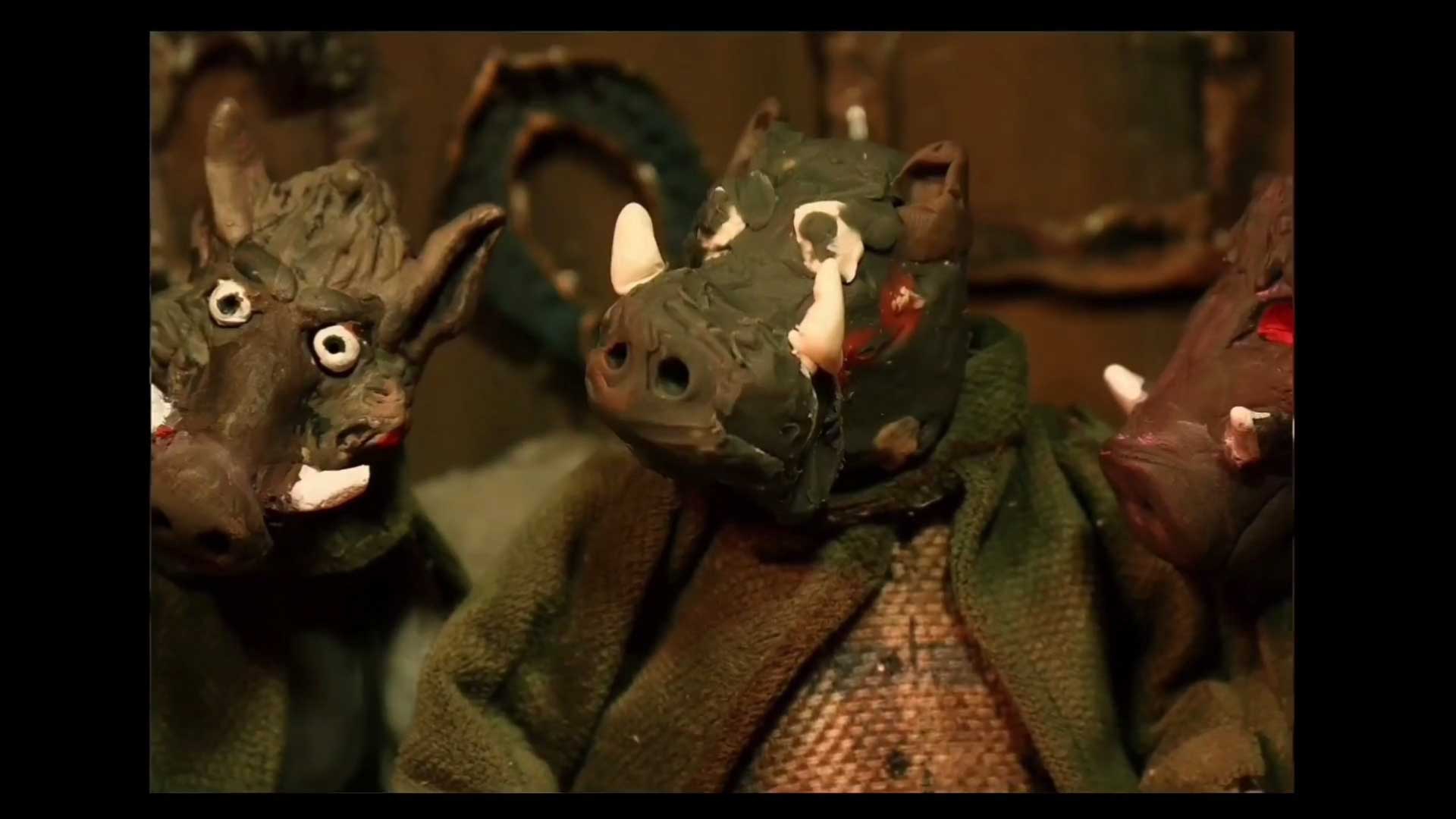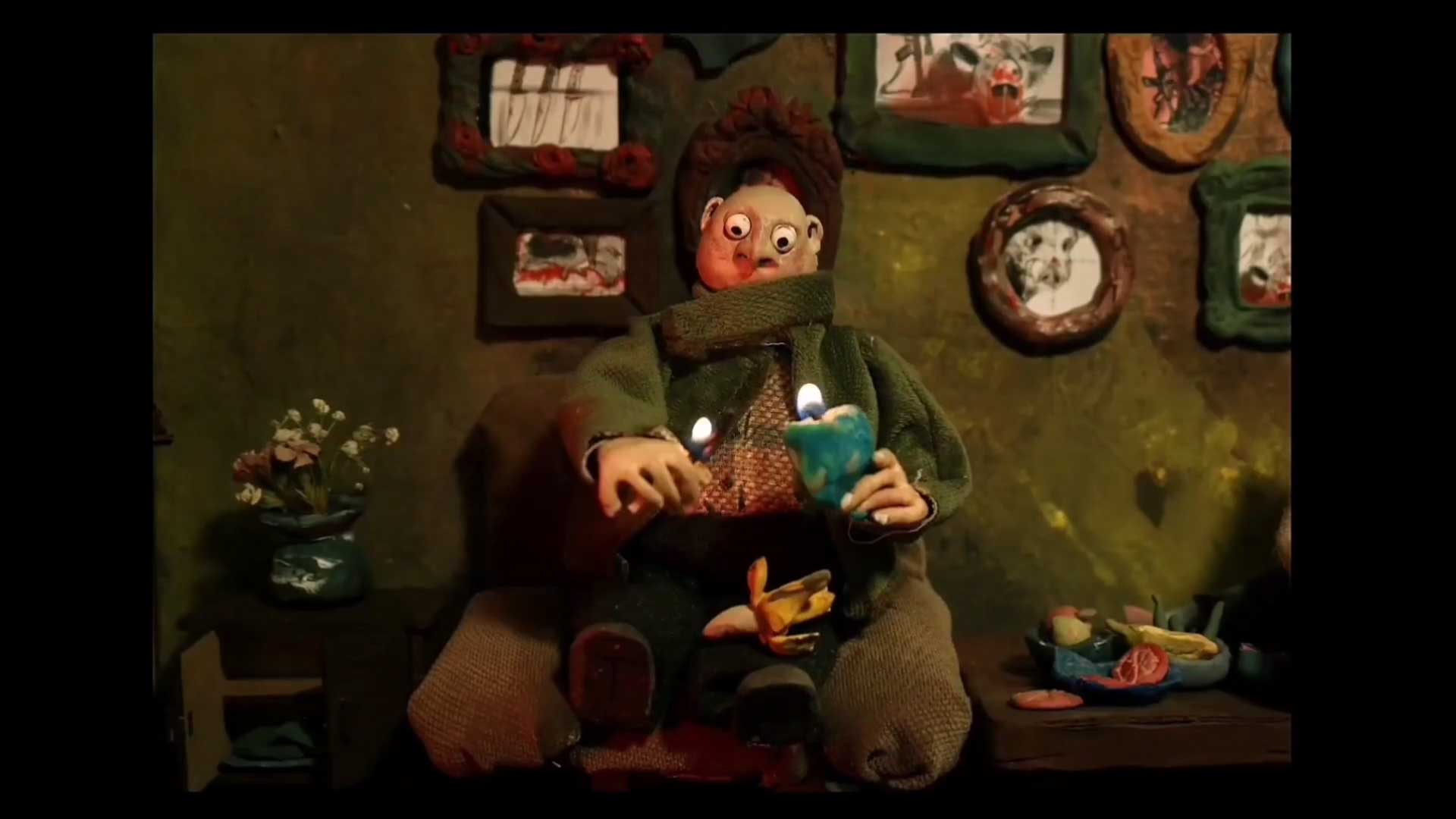
Watching Noah The Hog Ripper is the experience of stepping into a nightmare that reeks of raw flesh and clotted blood. This is no ordinary stop-motion piece; it is a jolting statement on violence and nature’s revenge, executed with ruthless precision. Here, the director uses the medium of animation not to create sweet fantasies, but to build a “chamber of psychological torture” — a place where the coarse texture of the clay and the harsh, localized, high-contrast lighting create a claustrophobic, suffocating atmosphere that leaves the viewer breathless.
A Play of Power and Gaze in Noah The Hog Ripper
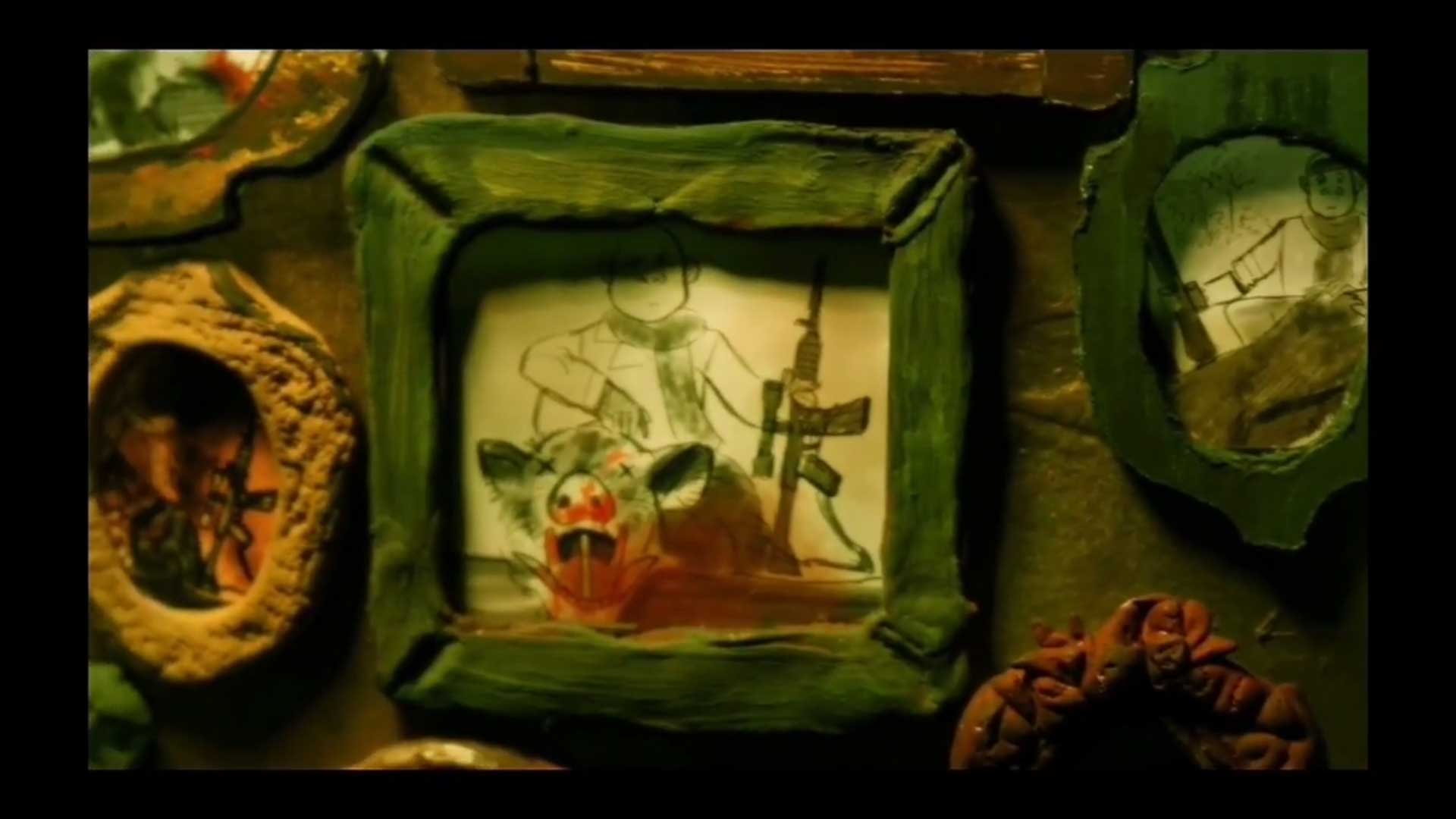
What sets Noah The Hog Ripper apart from a simple horror film is the intelligent interplay it sets in motion around the concepts of “power” and “gaze.” We are confronted with a world in which the food pyramid has been turned upside down. Pigs and boars — once the defenseless victims hanging in frames on the wall — now appear in human form, dressed in fine clothes and speaking in a civilized tone, sitting around a table and dragging “Noah” (the former hunter) to the altar of judgment. This horrifying defamiliarization recalls the concept of the “carnival” in grotesque literature, where roles are reversed and the one who once stood at the top must now, in utter humiliation, taste the bitter fate of being the victim.Clay Technique and Sensory Atmosphere
The choice of clay-animation technique in Noah The Hog Ripper serves a purpose that goes far beyond form; the clay figures seem like real flesh and skin, sweating and shifting shape under candlelight. By emphasizing repulsive details — chewing, swallowing, the slimy texture of food — the animator conveys to the viewer a sense of existential nausea. The juxtaposition of these revolting images with grand, operatic music creates a dramatic contrast that heightens the madness of the scene. It feels as though we are watching an ancient ritual ceremony — a rite meant to cleanse the sin of slaughter, but through yet another slaughter.