
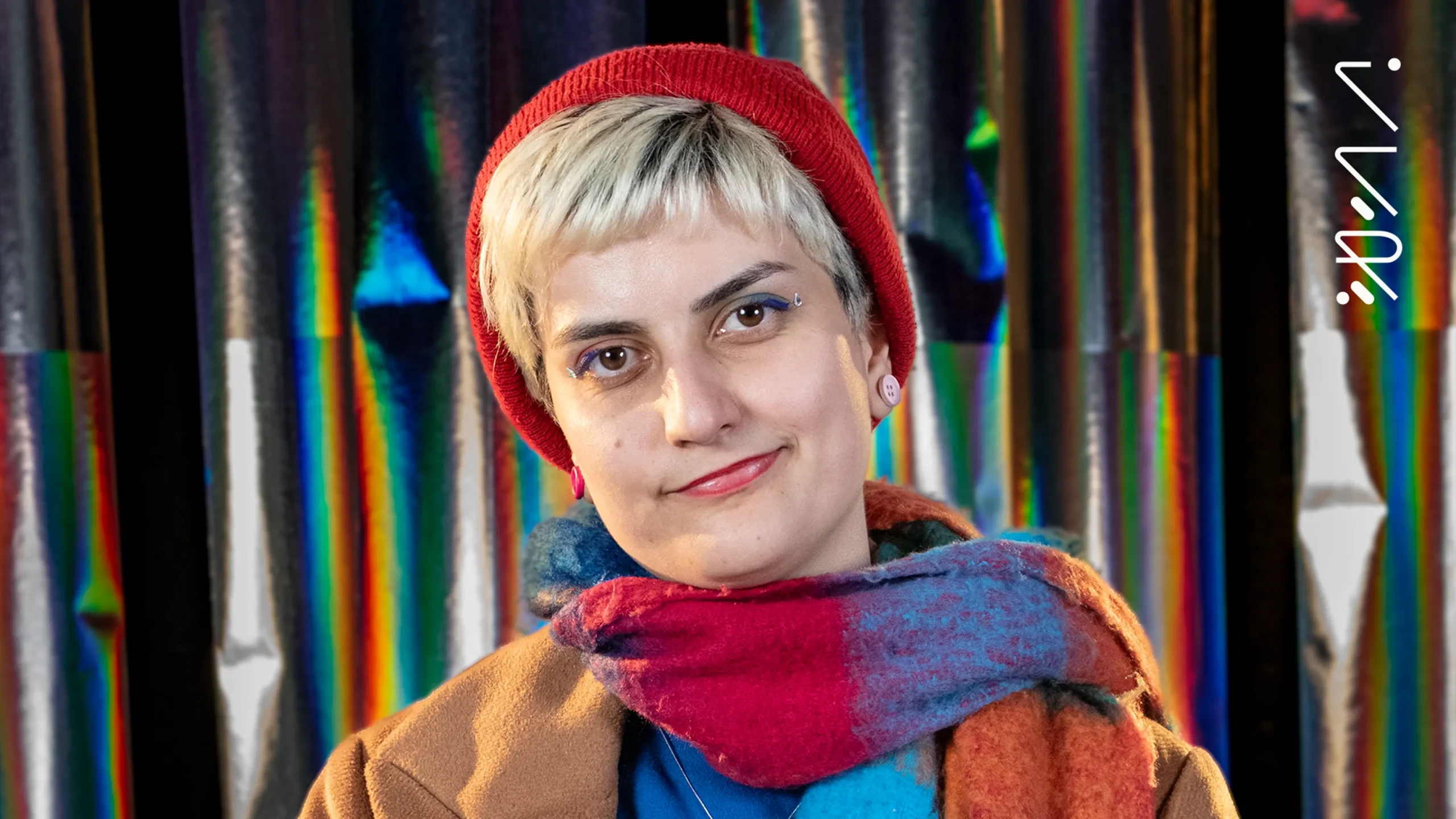
“Maybe There’s a War Going On Inside All of Us”
Samira Hosseini, a graduate with a master’s degree in animation, is the creator of a work titled “Travelous” (Safarnak), which won an award at the previous edition of the Puyan Festival. It’s an intimate yet painful account of migration — of people caught swaying between cities, cultures, and identities. We spoke with her about her personal motivations, the challenges of making a film as a student, and her outlook on the future of the animation industry.On Choosing the Subject and the Personal Roots of “Safarnak”
Why did you choose this subject?My own life. I’m sort of my own character. I’ve always lived like a migrant — first Mashhad, then Tehran, now Karaj, and after that, who knows! What memory from your own life does this work bring to mind?
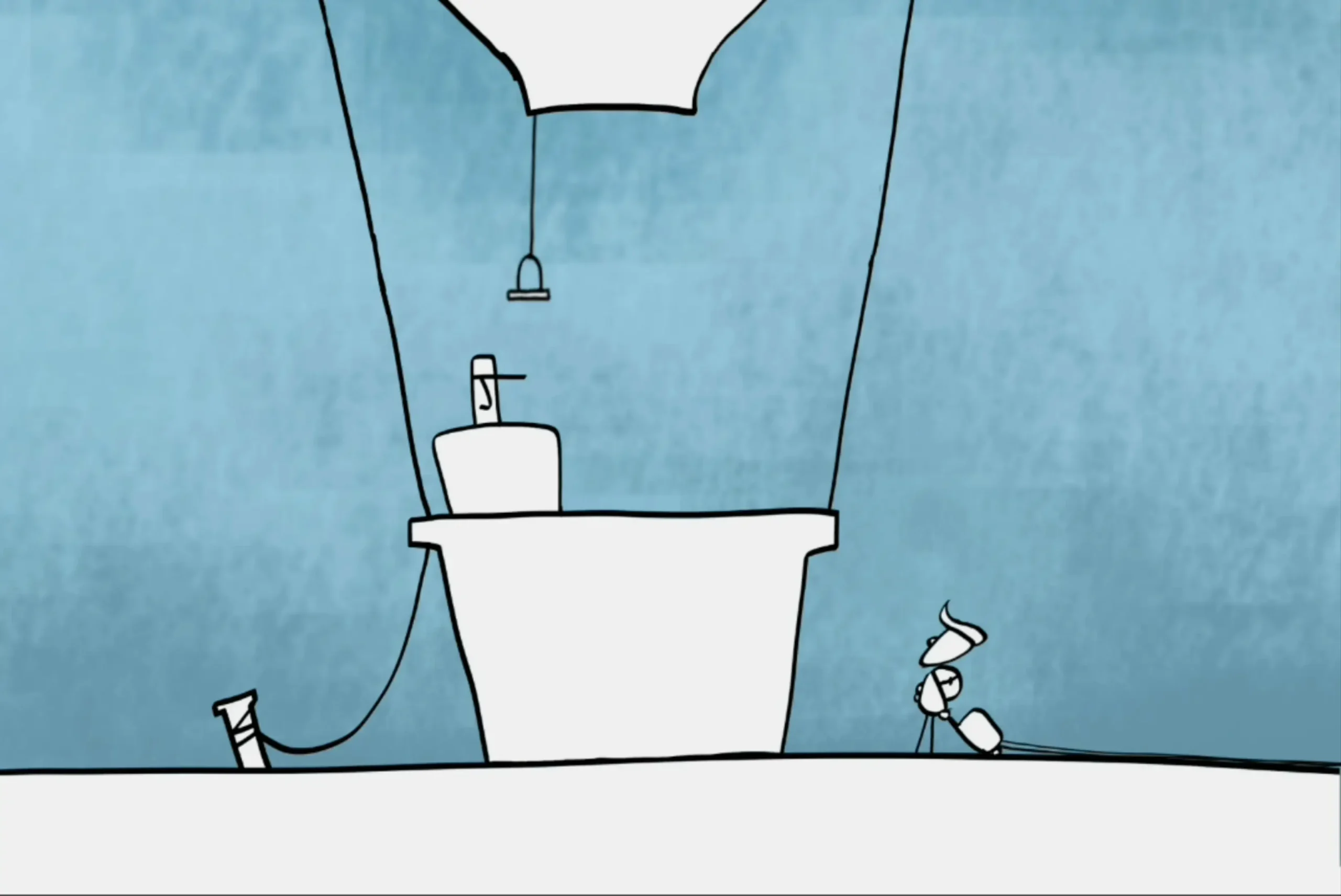
I’m currently exactly that — just before cutting that important rope.
The Film’s Core Message and Its Social Impact
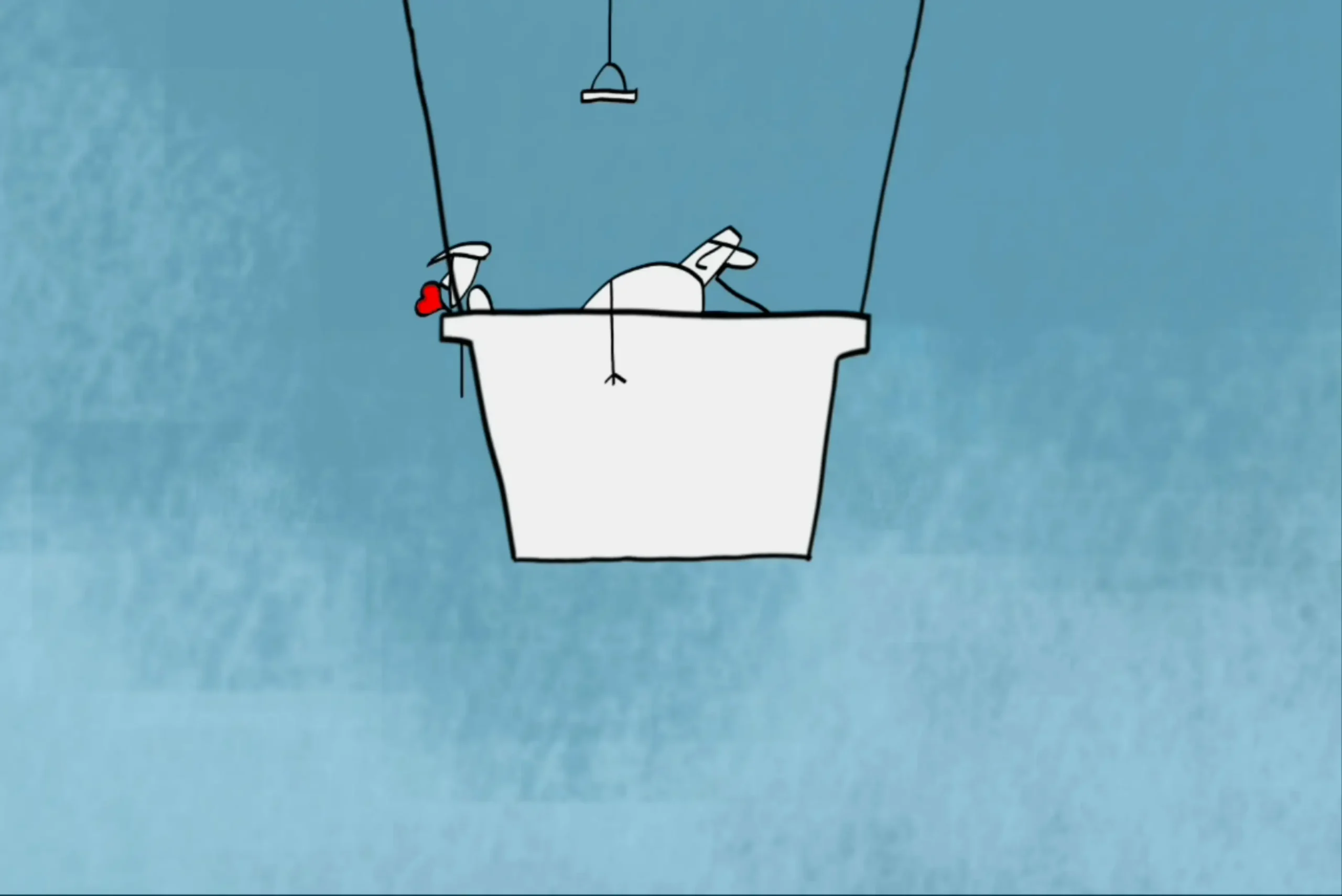
If you had to sum up your animation’s main message in one sentence, what would you say?Until we stop losing the things that matter to us, we can’t move into the next stage of our lives — the things we think we’d be nothing without. It’s hard, very hard. A new situation also comes with a lot of unknowns, like a new culture. Like that woman who swallowed the boy’s heart and left. Maybe you can even learn something new from that kind of behavior — like not handing your heart over so quickly, out of loneliness, to someone you don’t know. What social or cultural impact does your animation have?
Maybe I managed to show the subject of migration along with its hardships. Some people think migrants are quite selfish, that they easily leave everything behind and go — but inside, they experience all kinds of different feelings. People say there might be a war going on inside everyone; so it’s better if we’re kind to one another. What feeling did you want the audience to take away from your work?
A feeling of intimacy. Sometimes sadness, sometimes laughter — like life itself. Since I think a lot of people are dealing with migration right now, I wanted to show my own feelings about it.
Behind the Scenes: From the First Frame to the Hardest Moment
What was the hardest part of making this work?I had very little time, because I needed to defend my thesis sooner, and sometimes the stress of finishing both the thesis and the animation put a lot of pressure on me. Fortunately, though, the animator helped a great deal and finished a large portion of the work sooner than we expected. Did you face any technical challenges while making the film?
No, everything was friendly. No one even wanted to be paid — the only real pressure was the workload, because of how close we were to the defense date. What was the first frame you designed?
The balloon and its pilot. How did you approach the characterization and character design?
We probably arrived at the final result after just two or three sketches, since it was clear from the very start what we wanted. Was the film’s ending set from the beginning, or did it change during production?
It stayed the same — only one very small part was cut (the culture shock scene), because our practical-work advisor said it wasn’t necessary.
Inspiration, Style, and the Work’s Personal Signature
What makes this animation yours?The humor. The narrative. The 2D design. If your film were a color, what color would it be?
Blue. What works inspired you?
The short animation “Overweight” (“Ezafe Bar”). The animated series “Kotlas,” and the style of the late Kambiz Daramboukhsh’s cartoons. What’s the most striking feature of your animation that creates a connection between the character and the audience?
I think whatever comes from the heart, reaches the heart! And that’s something a lot of us are concerned with right now.
Looking to the Future and Advice for the New Generation
If you were to make the work again, what would you change?Nothing! If you were to continue the story, how would you write the sequel?
I’d write about the challenges of the first year or two of migration. What genre of animation would you like to try in the future?
Black comedy. Where would you like to end up in the animation industry?
I want to make something I love and connect with all kinds of different people. What advice do you have for incoming students?
I’d recommend watching a lot of animation, in every style. When we’re visually trained, or our minds are strengthened this way, we’re also able to produce really good work.
The Student Experience and the Concerns of a Young Director
What opportunities or limitations did your student experience create for you?I was doing a master’s in animation, and I had to handle both the research and the practical work at the same time. That’s really hard. Some people have someone else write their thesis for them! Some have plenty of ideas but leave university because that final stage is so difficult — and after that, we might never see any work from them, or they might make something weak just to pass and leave. That’s a really sad thing. I don’t know what the right approach is, but I do wonder — why shouldn’t we enjoy the process of making the work itself, too? For someone who’s also working to pay their university tuition, trying to stay active in classes, and also pushing forward their practical and research work — it’s a huge amount of pressure. I wish there were financial support for this kind of work, so it would be possible to submit to festivals that charge submission fees, too. What challenges do you face as a young director?
At first, writing the thesis; and since it was my first film, it was both very sweet and very hard — both for me and for the animator. Right now, I’m also trying to make it possible to submit the work to paid festivals, and that’s difficult and requires a lot of budget. I also can’t travel to the countries where my work has been selected, because of visas and funding; but what matters most is connecting with people, which I was able to do — and I realized this work resonated across different cultures, too, and that’s the beautiful part. What’s the most important thing you learned from making this film?
The importance of teamwork. How much time an animation actually takes. How far you can move from the original idea and make it better.