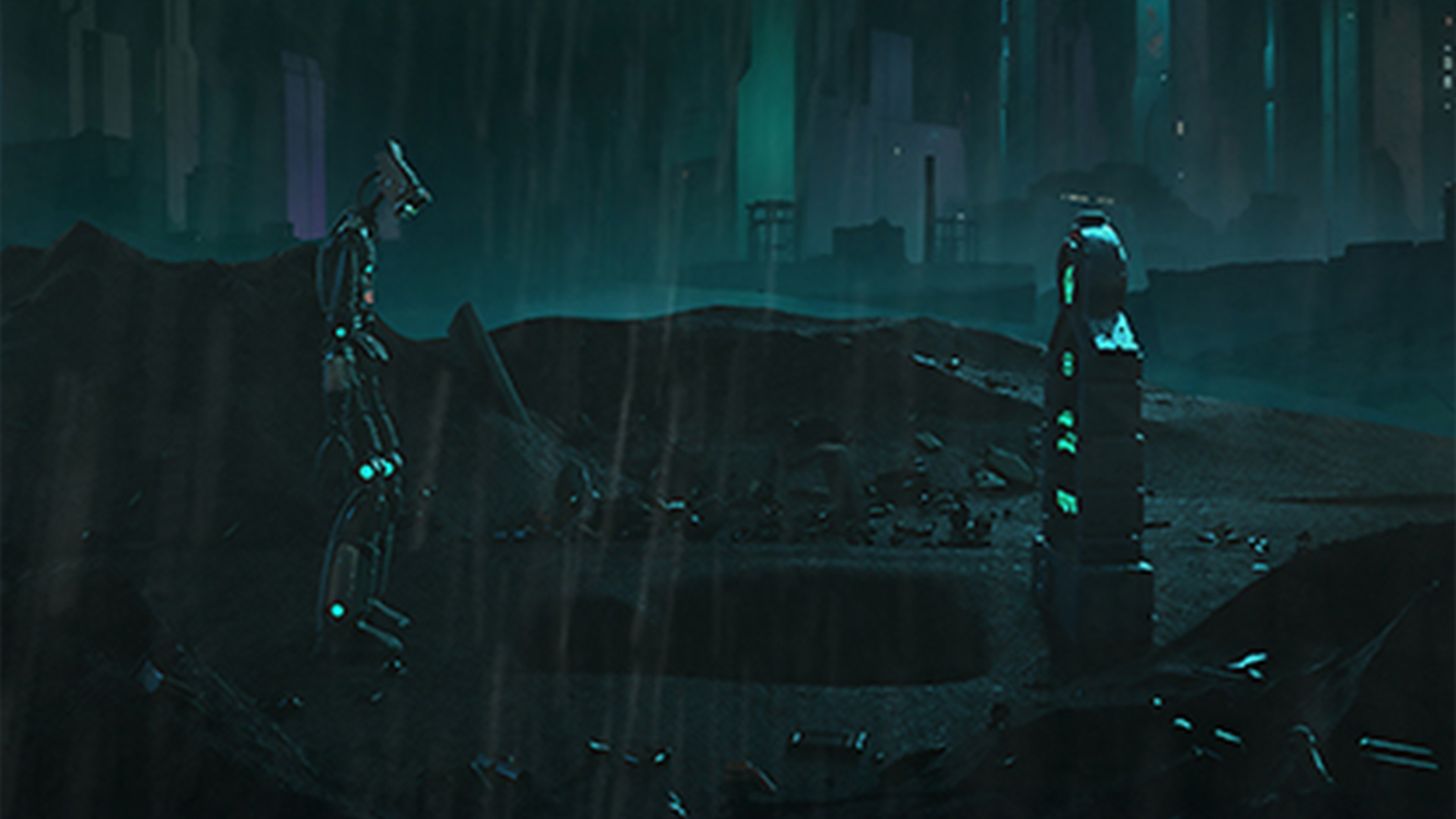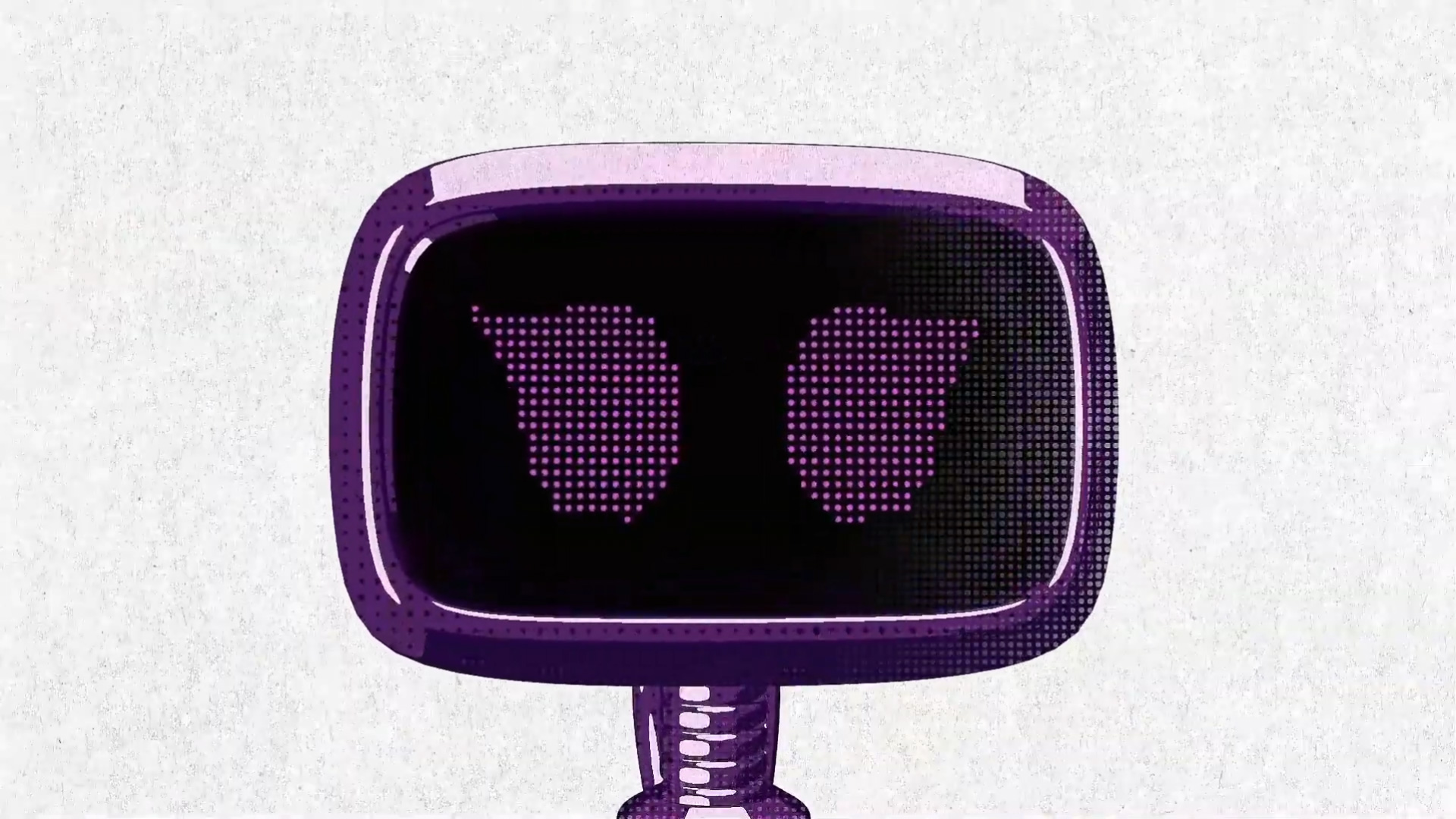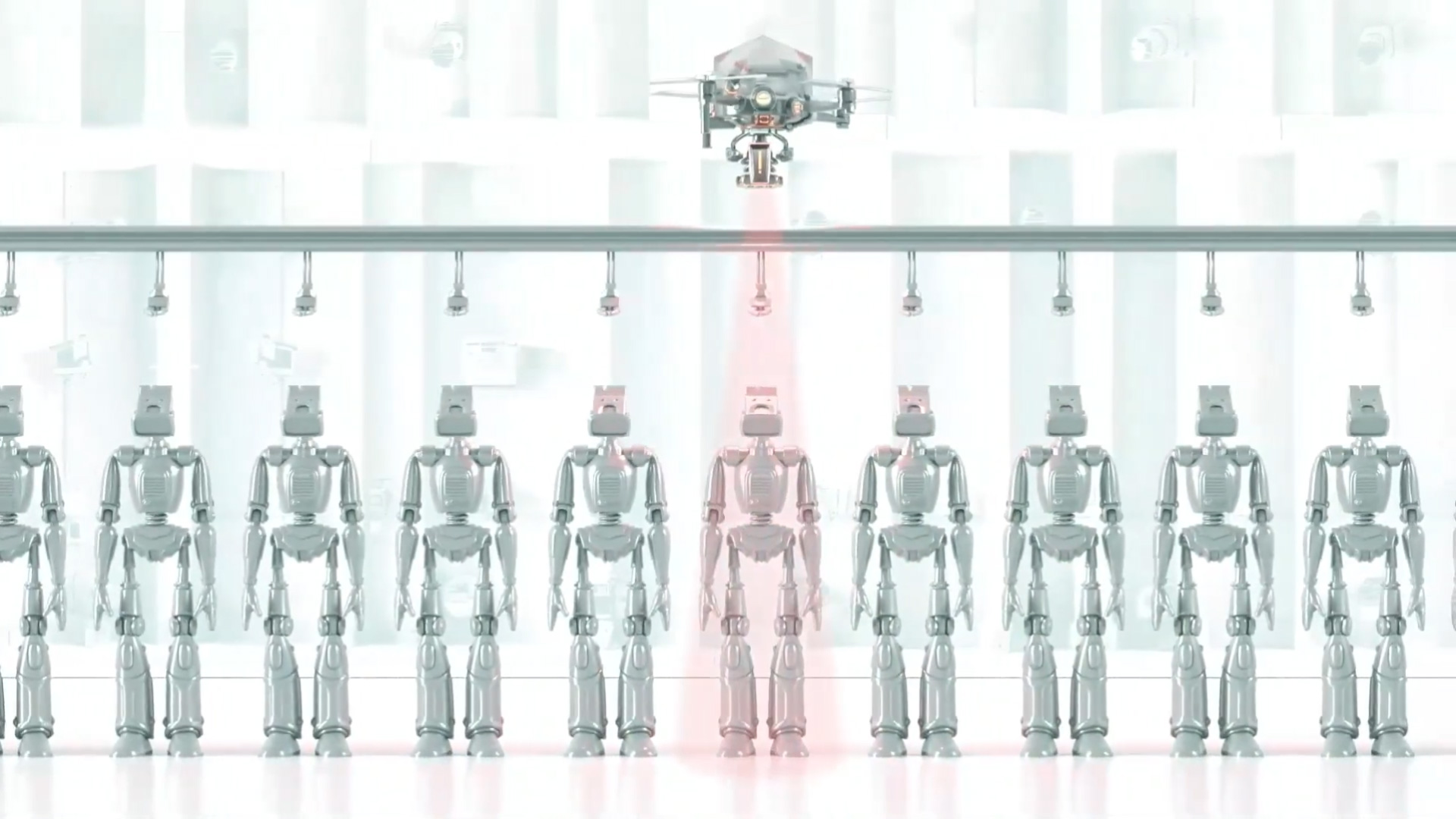
The animation “Memory” is a digital elegy set in a space that smells of burnt oil and cold metal. In this work, Mirsepehr Khoobbin takes us to a dark, neon-lit future — a place where assembly lines endlessly create beings meant to be “flawless.” But catastrophe strikes when one of these beings develops the most human trait possible: memory.
A New Definition of the Glitch in “Memory”
The focal point of “Memory” is the fresh definition it offers of the concept of the “glitch.” In computer language, a glitch is an error, a malfunction. But in the language of this animation, glitches are “emotions” themselves.
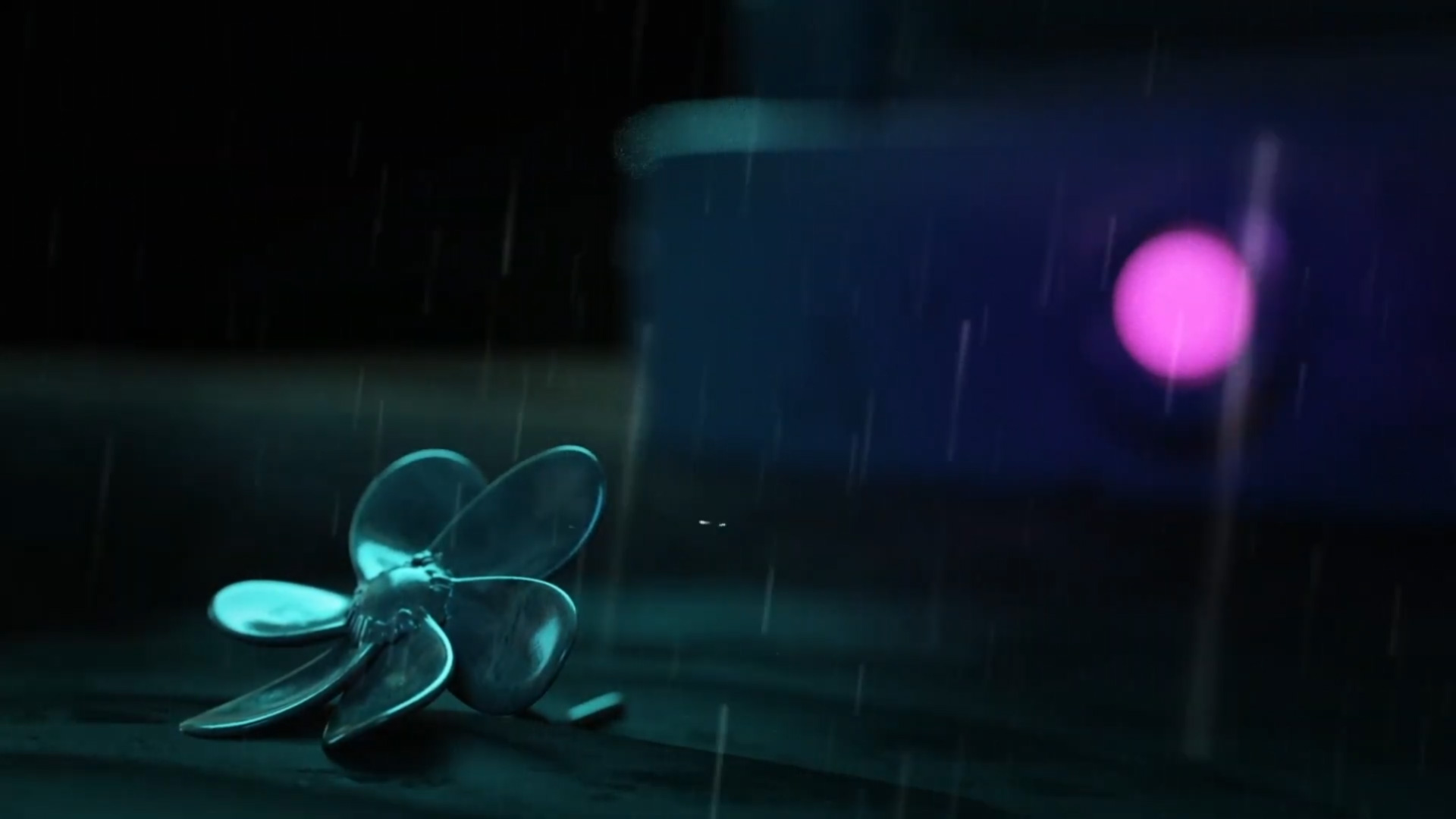
Visual jumps, noise flickering across the robot’s digital eyes, and blurred flashbacks of a flower or the touch of a hand are all signs of a “soul” awakening inside a mechanical body. The director skillfully uses these visual glitches not as a graphic effect, but as a window into the robot’s subconscious — as if its operating system cannot process the volume of grief stored in its memory and is beginning to crash.
Atmosphere and Lighting in “Memory”
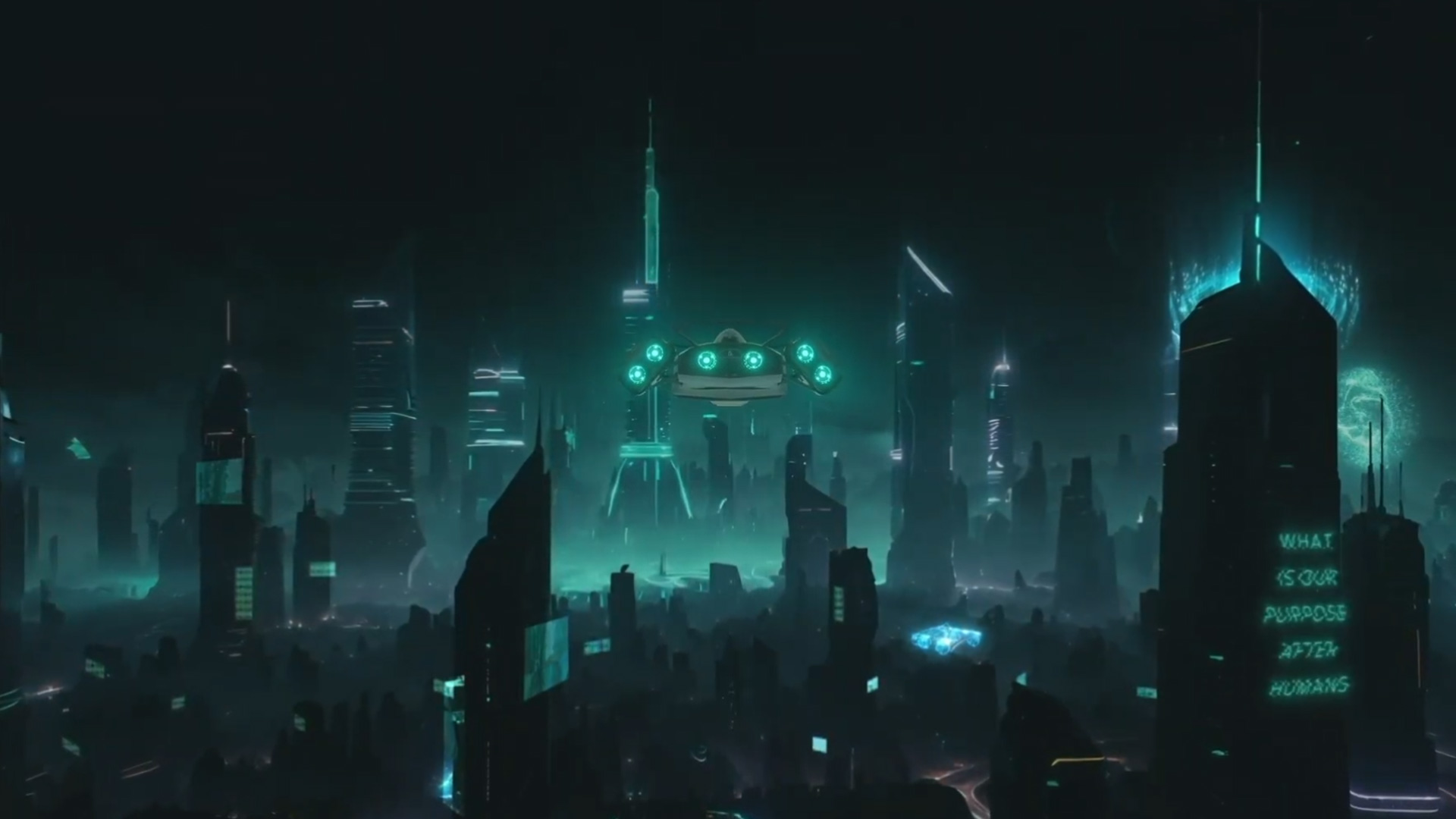
In terms of atmosphere and lighting, “Memory” draws heavily on the tradition of film noir and cyberpunk cinema. The use of localized green and purple lights within absolute darkness intensifies the character’s sense of loneliness and existential isolation.
The background city, with its towering skyscrapers and fine rain, is beautiful yet merciless. The animator has worked with obsessive precision on “reflections” and “metal texture.” The robots’ bodies are polished and cold. Yet their movements — especially in the final moments, seated in the chair — evoke the weight of an ancient exhaustion.
Narrative and Philosophical Message in “Memory”
The narrative of “Memory” is a horrifying cycle of “production and disposal.” A robot that feels is deemed inefficient and must be sent to the scrapyard. This is a metaphorical critique of societies in which any pause, reflection, or sentimentality is seen as an obstacle to progress.
The scene of the robot graveyard, with a hand jutting out from among the scrap metal, is a jarring image of the fate awaiting those who dared to act beyond their programming.
Conclusion
“Memory” is a work that puts powerful 3D technique in the service of an old philosophical question: isn’t a machine that suffers more alive than a human who feels nothing at all?
The film’s ending, with that glowing electronic chip that may hold all those forbidden memories, leaves a sliver of light in this dark world. Perhaps the body can be discarded. But memory goes on living, even among the trash.