The Boundary Between Reality and Dream in Maroot
Maroot is not an animation made merely for entertainment; rather, it feels like an unfinished session of visual therapy. In this work, Zahra Azimi throws the audience without mediation into the dark corridors of a mind on the verge of collapse. Here, technique is no longer merely a tool; instead, the focus is on how madness and anxiety are translated into the language of line and color.
The Boundary Between Reality and Dream in Maroot
The film begins with a disturbing confession: losing the boundary between reality and dreams. This sense of disorientation is immediately reflected in the visual language of the work. The use of free-form rotoscoping, along with lines that tremble across the characters’ faces and occasionally break away from their forms, is not simply a stylistic choice; it becomes a tangible reflection of the protagonist’s psychological disintegration.
When the character suffers from Capgras syndrome, the animator intelligently distorts the faces, rendering them shadowy and threatening, allowing the audience to experience the world not as it objectively exists, but as it is perceived by a paranoid and disturbed mind.
Material and Texture in Maroot
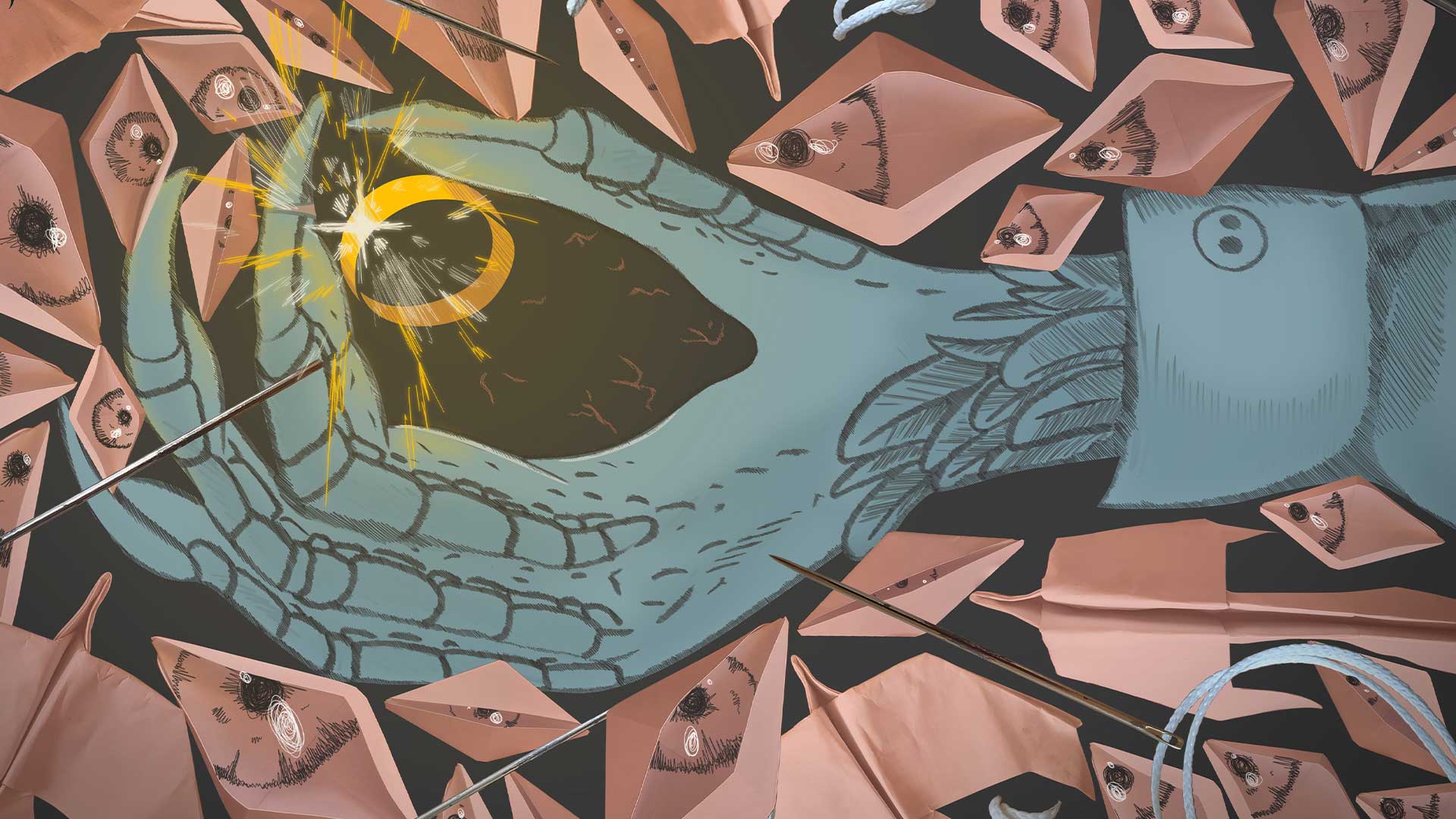
The second layer of Maroot lies in its intelligent interplay of materials and textures. The combination of 2D animation with a collage of photographs and live-action footage evokes the feeling of a torn and fragmented diary.
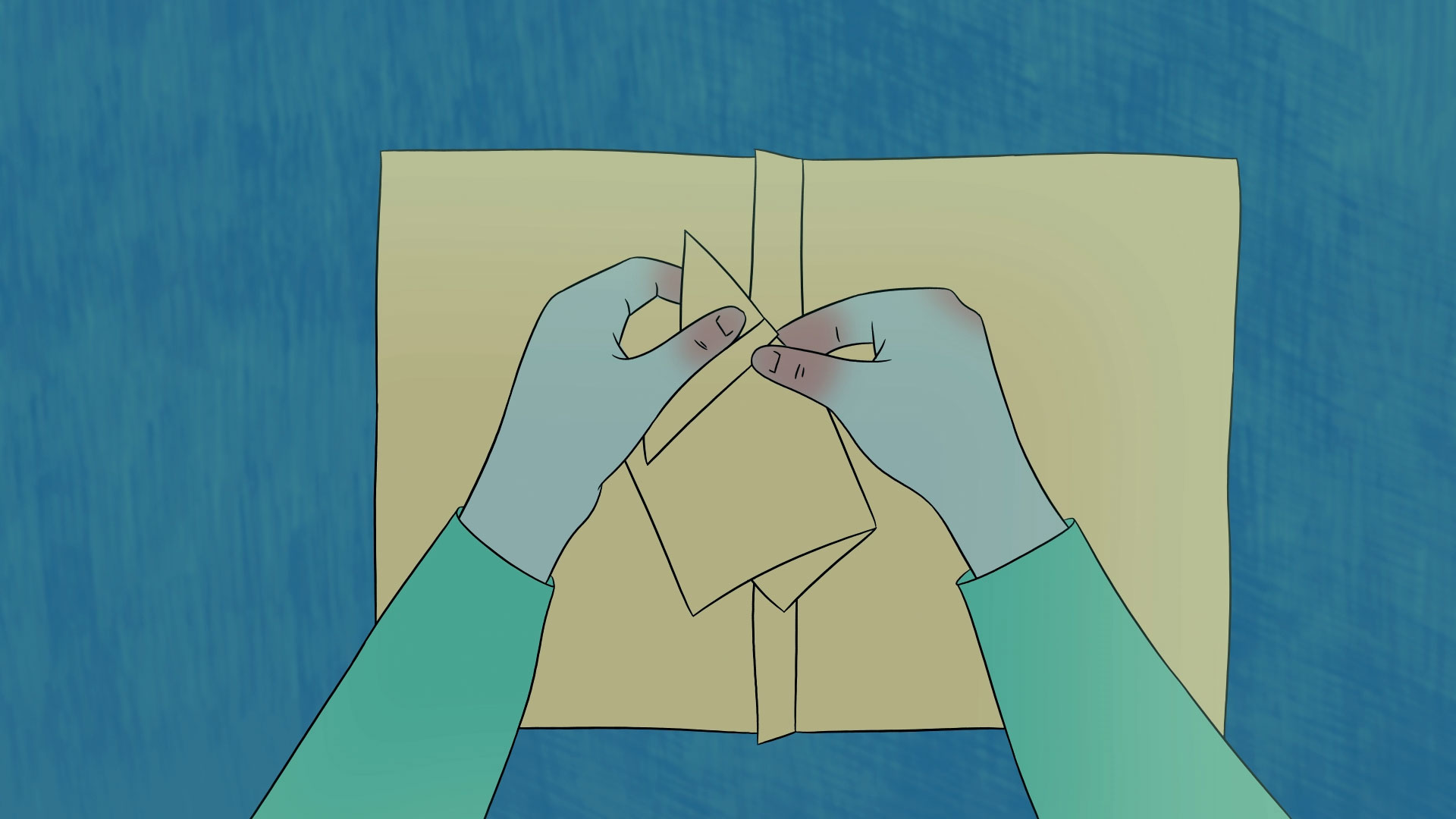
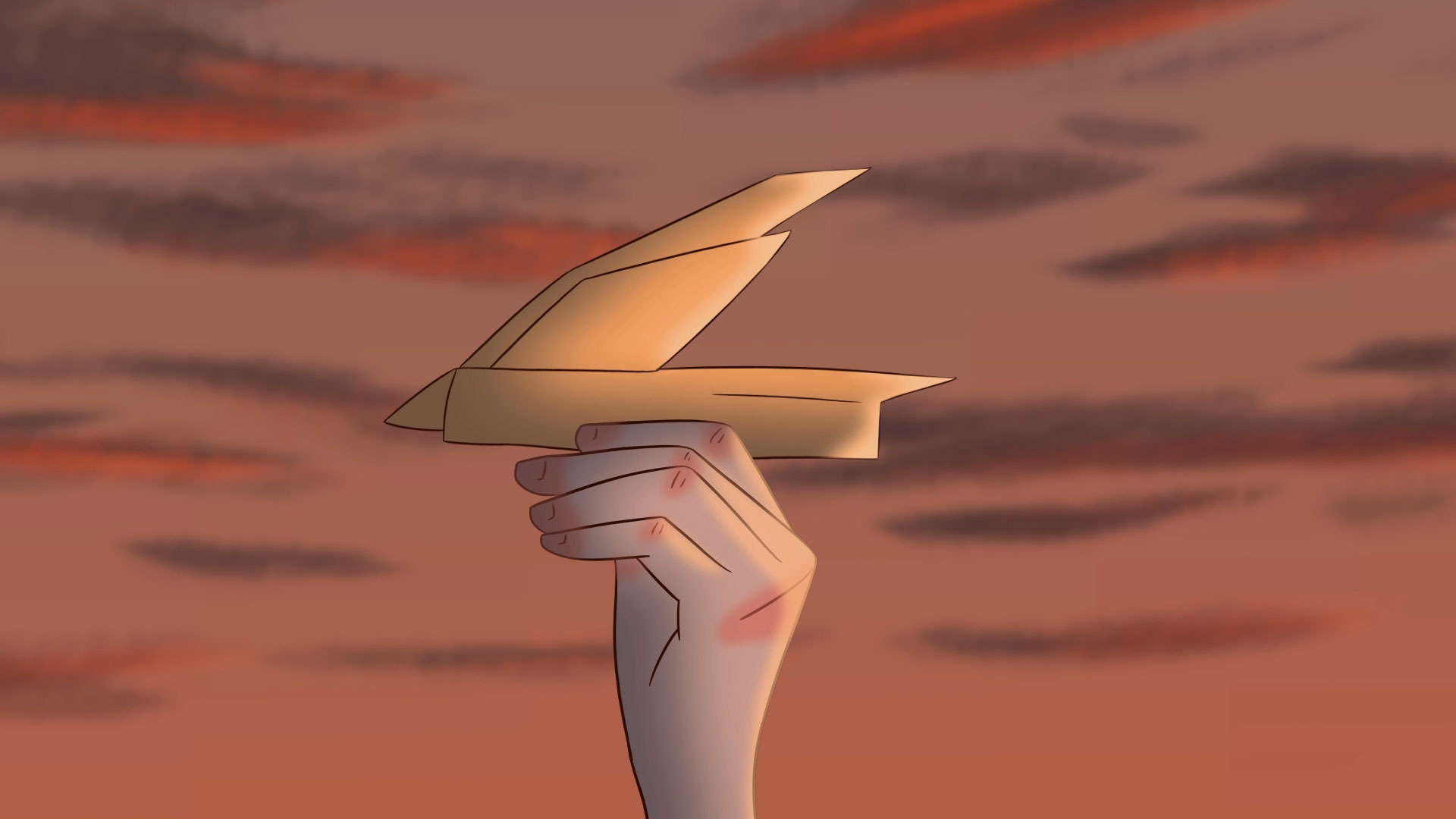
The sequence in which a paper airplane becomes connected to a real fall is a striking example of the collision between past trauma and present fantasies. The fragmented imagery becomes a metaphor for the narrator’s fractured memory—a memory struggling to reconstruct itself, only to encounter another dead end each time.
Mythological References and the Ending of Maroot
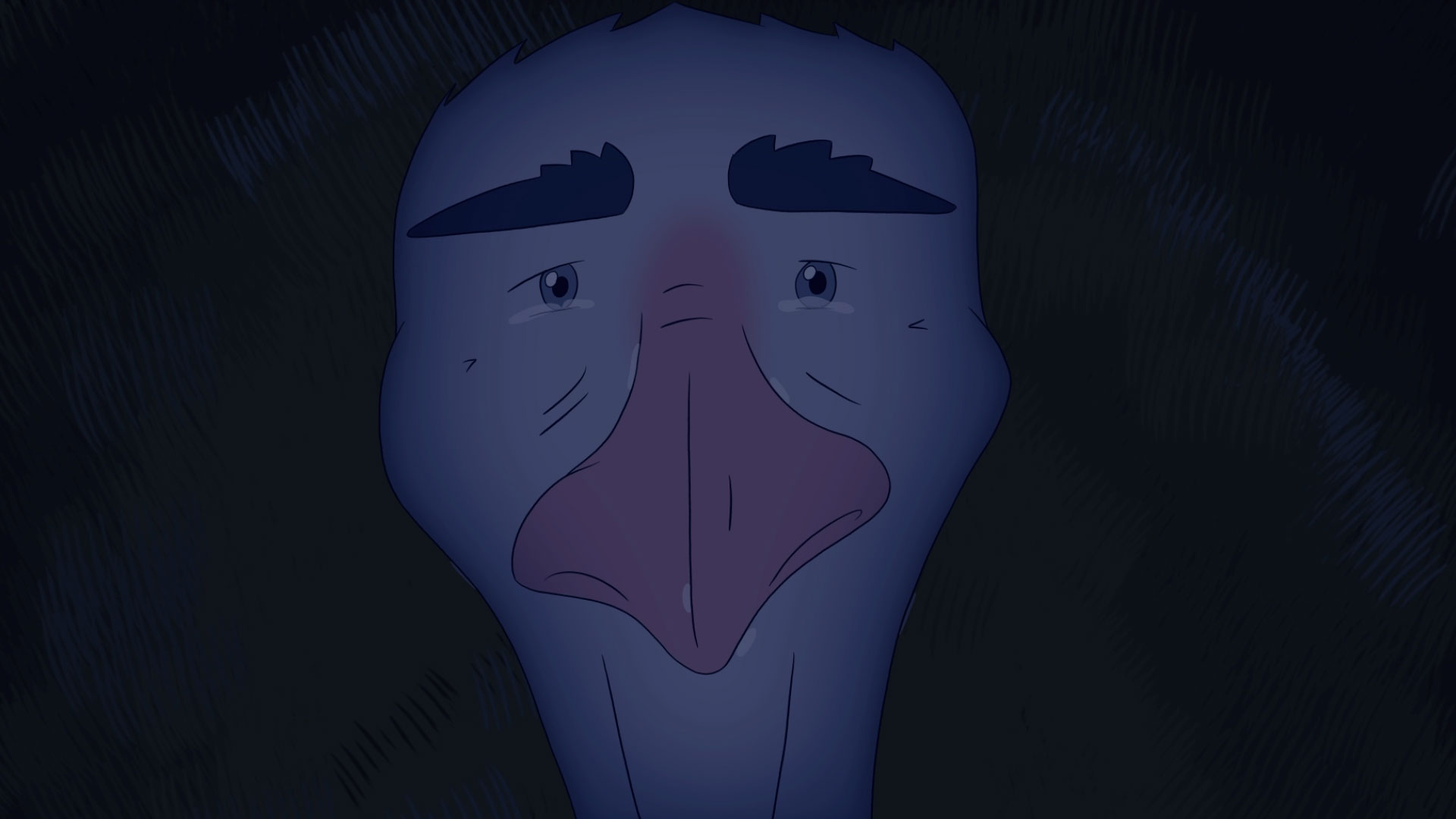
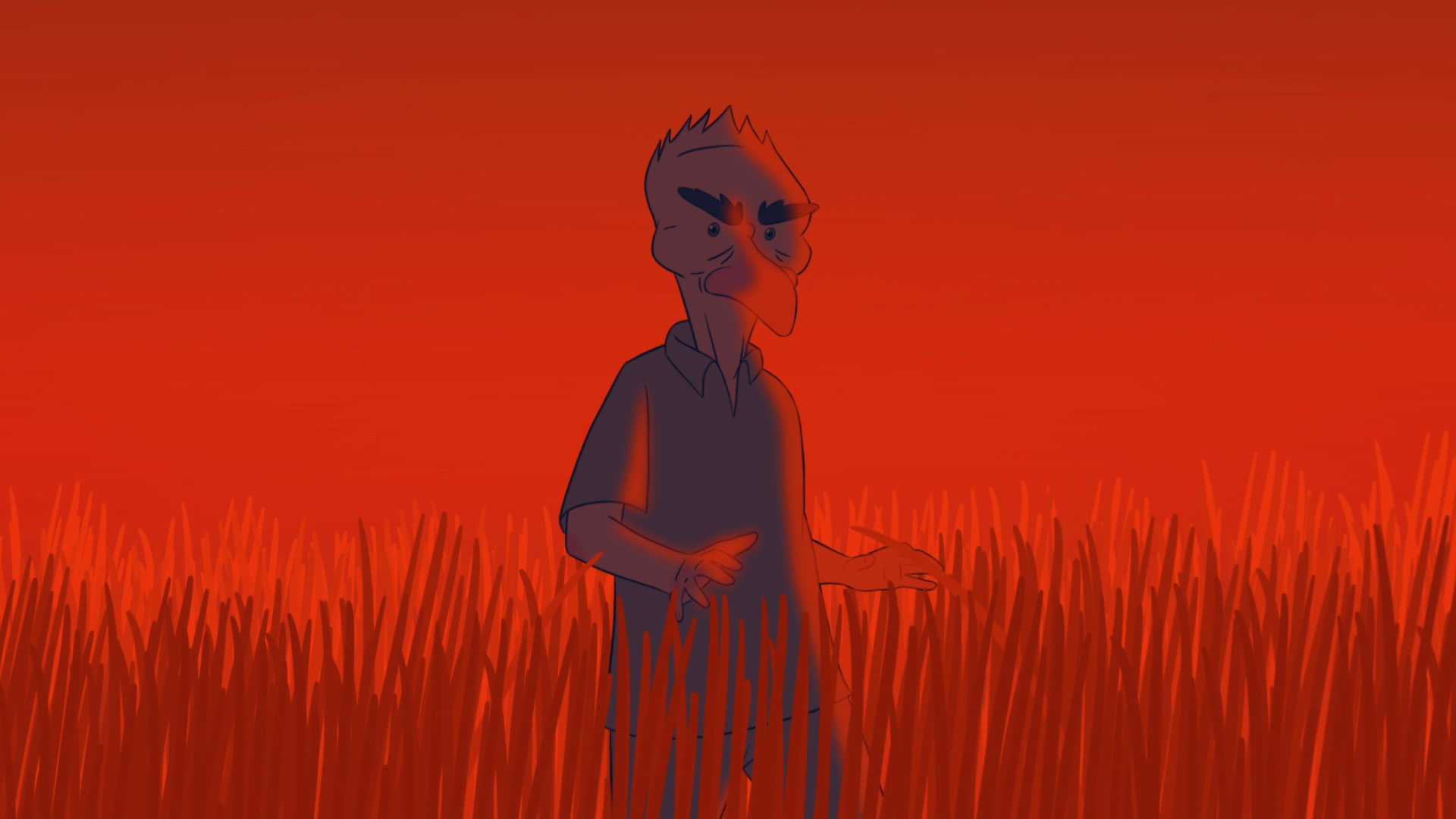
But the crowning achievement of Maroot lies in its choice of title and its mythological ending. The reference to Marut—the angel who, according to Islamic tradition, was suspended upside down in a well in Babylon—and the narrator’s transformation into a bird-human figure create a narrative of metamorphosis.
The character, who sees himself as a puppet controlled by others, ultimately chooses falling as the only action he can freely undertake. At this point, the animation transcends a clinical account and becomes a bitter philosophical statement about determinism and free will.
Conclusion
The presence of Maroot at the Poyan Festival brings a strong expressionist and psychological dimension to the festival’s cinematic landscape. The film has the courage to disturb and frighten its audience, confronting them with eyes staring from walls and doorways and placing them in a position of judgment.
Maroot is a work that settles into the memory—much like a nightmare whose bitter aftertaste remains on the tongue even after waking.